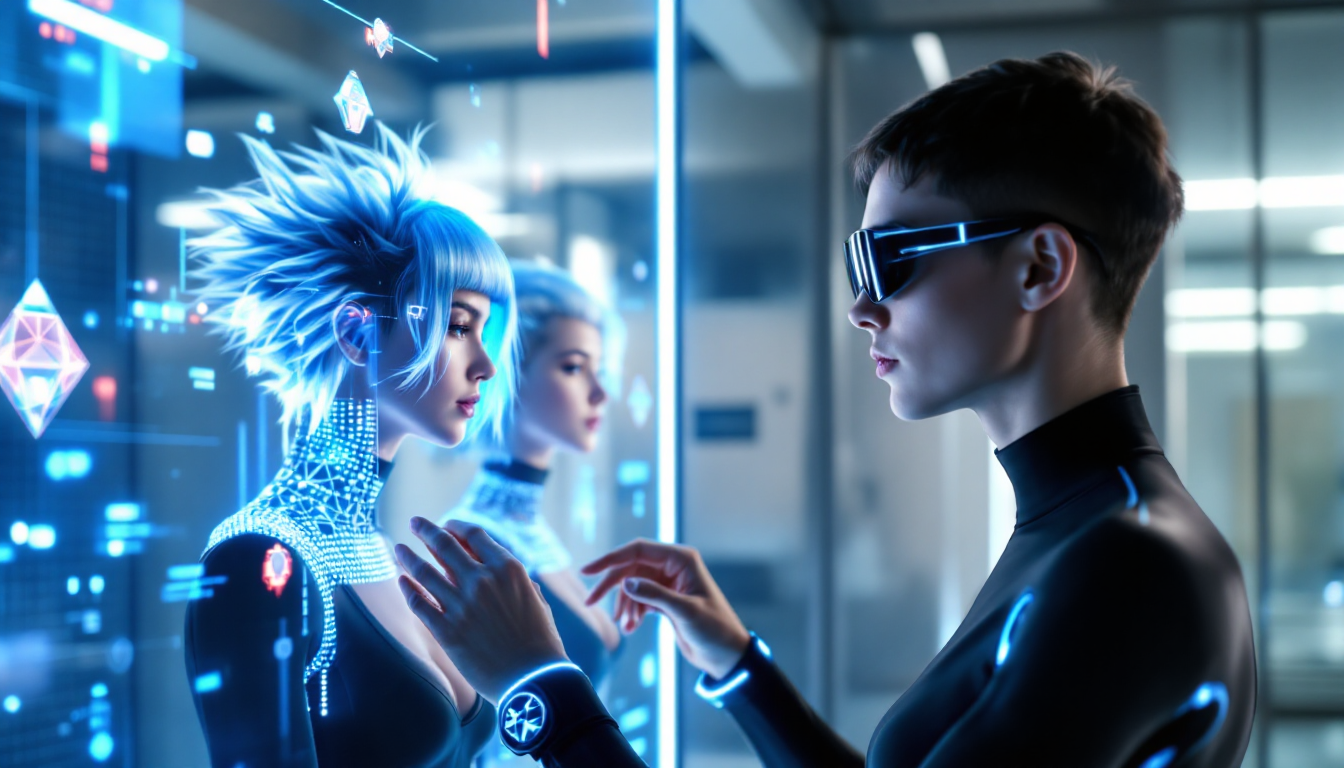
Introduction to Augmented Reality in Hairstyling
Augmented reality (AR) has moved rapidly from novelty filter to mainstream tool in beauty and fashion—and hairstyling is one of its most exciting frontiers. By overlaying virtual haircuts, colors, and styles on a live image of a user, AR transforms guesswork into confidence. The global virtual try-on market—encompassing cosmetics, eyewear, and hair—is already valued at USD 12.5 billion in 2024 and is projected to reach USD 48.8 billion by 2030, growing at a 25.5% CAGR (freeyourself.com). Within that, hair-specific AR tools are driving conversion boosts and deeper engagement as consumers seek low-risk ways to experiment with new looks. Today’s AR experiences range from simple color overlays in smartphone apps to full 3D hairstyle simulations in salon-grade mirrors. Whether you’re a brand aiming to reduce returns or an end user craving a fresh cut without commitment, AR is reshaping the hairstyling journey from inspiration to decision.
How AI Powers Augmented Reality for Hair
AR by itself relies on image tracking and real-time rendering; AI brings next-level realism and personalization. Machine learning models—such as NVIDIA’s StyleGAN2 used in Ulta Beauty’s GLAMlab—analyze facial features, skin tone, and lighting to generate hairstyles that align with your unique head shape and complexion (blogs.nvidia.com). AI-driven image processing tackles challenges that classic AR struggles with, like accurate undertone prediction and consistent performance across varied lighting: in one study, AI simulators matched real-life hair color results 89–91% of the time under daylight, versus 82–87% for traditional AR apps (alibaba.com). Advanced architectures like HairFastGAN promise sub-second, high-resolution hairstyle transfers, paving the way for live video try-ons on powerful GPUs (arxiv.org). Behind the scenes, neural networks fuse multi-angle inputs to simulate realistic hair physics—curl bounce, wind effects and even dynamic shine—delivering an experience that closely mirrors an in-salon preview.
Real-Time Hairstyle Transformations
Speed and responsiveness are critical for AR adoption. Ulta Beauty’s GLAMlab app demonstrates an initial style load time of about five seconds, with subsequent changes rendered in under one second (blogs.nvidia.com). ReelMind.ai’s platform pushes real-time boundaries further by integrating AI-driven hair physics: users see curls bounce naturally as they move, and color layers update seamlessly when toggling between hues (reelmind.ai). GetHairVision, another leader in this space, lets users upload a single photo and instantly preview dozens of trendy cuts customized to their face shape—no salon visit required. These tools rely on optimized 3D mesh warping, GPU-accelerated neural rendering, and efficient loss functions that keep latency below the threshold of human perception, typically under 100 ms. The result is an interactive styling session that feels as natural as looking in a mirror—only with infinite options at your fingertips.
Benefits of Using AR AI Tools in Hairstyling
- Increased Conversions and Reduced Returns
• Beauty brands see up to 90% lift in conversion rates when embedding AR experiences into their customer journey (freeyourself.com).
• Virtual hair-color try-on tools yield up to 2.5× higher conversions and slash return rates by as much as 64% (gitnux.org). - Longer Engagement and Deeper Browsing
• Clients using virtual hair tools browse 360% longer on average—Aveda reported a 112% increase in site engagement following the rollout of its AR color-try-on feature (gitnux.org). - Enhanced Confidence and Decision-Making
• A 2025 survey found 78% of users felt more confident about salon choices after using AI hairstyle simulations (reelmind.ai). - Broad Consumer Adoption
• Over 350 million consumers engage with AR beauty filters—including hair overlays—each month (gitnux.org).
• 44% of salon-goers express interest in previewing cuts or colors via AR before their appointment (gitnux.org).
These metrics underscore why brands and salons are investing heavily in AI-powered AR: better sales performance, fewer returns, and happier customers who feel in control of their beauty decisions.
User Experiences: Case Studies and Testimonials
– Ulta Beauty’s GLAMlab (blogs.nvidia.com)
“I tried ten different haircuts from home before booking my appointment. I felt 100% sure about the bob I picked!” – Sarah, 29
– Perfect Corp’s YouCam (bmfitt.com)
“The AI accurately matched my skin tone and hair texture—no weird color halos. I ended up buying the exact dye I saw in the app.” – Miguel, 34
– Madison Reed AR Quiz (gitnux.org)
Users reported a 38% conversion lift after completing color recommendation quizzes that simulate results on their own photos.
– ReelMind.ai Salon Mirror Integration (reelmind.ai)
Stylists collaborate with clients in real time via an AR mirror, toggling styles and recommending customized haircare routines based on AI analysis of hair health.
– GetHairVision Home Try-On
“I was terrified to go platinum blonde. With GetHairVision, I saw exactly how it would look under my natural light, then confidently walked into my stylist.” – Priya, 26
The Future of Hairstyling with AR and AI
Looking ahead, we anticipate an era of hyper-realistic, fully interactive styling experiences:
• Live Video Try-Ons: Powered by models like HairFastGAN, clients will experiment with new looks in real time during video calls with stylists (arxiv.org).
• Enhanced Physics and Dynamics: AI-driven simulations will incorporate wind, movement, and even humidity effects for the most lifelike preview yet.
• Personalized Haircare Routines: Platforms will analyze hair texture, scalp health, and environmental factors to recommend products optimized for each user’s projected style (reelmind.ai).
• In-Salon AR Mirrors: As adoption climbs, AR-equipped styling stations will deliver seamless hybrid experiences—clients try dozens of looks virtually, then seamlessly progress to the real-world services.
• Social Integration and Community: Users will share AR-created looks in social networks, receive AI-driven feedback, and even hail virtual hairstylists in the metaverse.
With the virtual try-on technology market poised to reach USD 7.25 billion by 2025 and expand at a 15.36% CAGR through 2033 (style3d.ai), investment and innovation show no signs of slowing.
Conclusion: Embracing Innovation in Beauty
AI-powered AR hairstyling tools are more than flashy gimmicks—they’re transforming consumer confidence, boosting brand KPIs, and redefining the salon experience. From cost-effective home try-ons to immersive in-salon mirrors, these technologies bridge the gap between imagination and reality. Whether you’re a stylist looking to delight clients or a beauty brand seeking measurable growth, embracing AR and AI in hairstyling is no longer optional—it’s essential. As models grow more accurate and experiences more immersive, the only question left is: What style will you try next?