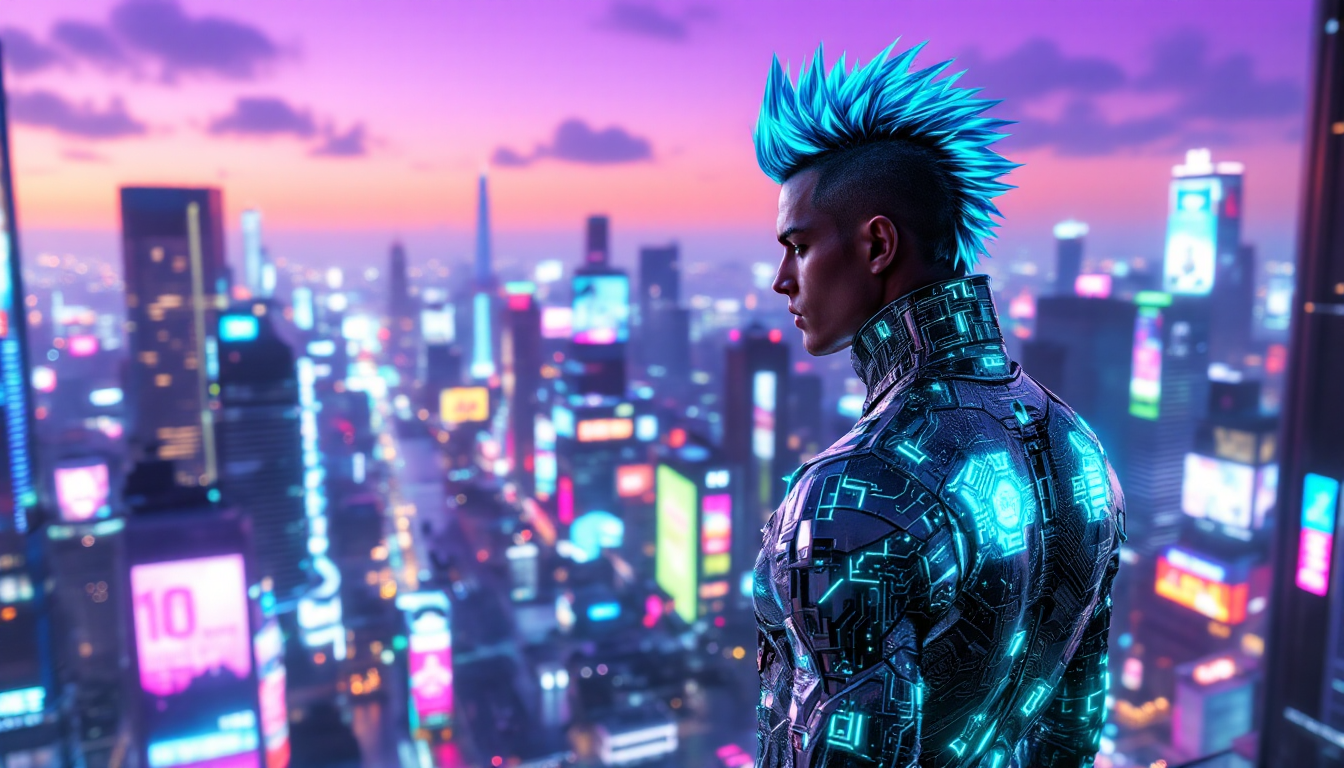
Introduction to the Metaverse and Hairstyles
The Metaverse—a collective virtual shared space encompassing augmented reality (AR), virtual reality (VR) and persistent online worlds—has evolved beyond gaming and socializing into a frontier for self-expression. At its core are avatars: digital representations that users customize to project identity, mood and style. Among the most dynamic aspects of avatar design is hair. Virtual hairstyles range from gravity-defying updos to hyperrealistic textures, offering infinite experimentation without commitment. As these digital looks gain popularity, they are beginning to reshape real-world hairstyle preferences, signaling a convergence between virtual aesthetics and physical self-presentation.
Current Virtual Hairstyle Trends
-
Explosive Growth in Virtual Hair Purchases
• On Roblox—a leading Metaverse platform—over 139 million virtual hairstyles were purchased by more than 7.3 million users in the past year, marking a 20% increase over the previous year (Roblox Releases Latest Metaverse Fashion Trends Report, Yahoo.com).
• 35% of all Roblox users—and 51% of female users—customize their avatar’s look (including hair) daily or weekly, underscoring the importance of ongoing style evolution. -
Popular Styles and Aesthetic Drivers
• Neon and pastel color gradients: avatars sport bold pinks, purples and aquas that would require intensive bleaching in real life.
• Futuristic “cyber” cuts: undercuts, asymmetrical bobs and pixie cuts with glowing streaks or animated effects.
• Cultural authenticity: detailed braids, dreadlocks and Afros that reflect users’ real-world heritage and identity (91% of Gen Z players say hair is key to feeling represented in virtual spaces, Vogue Business). -
Psychological Engagement
• Avatar customization enhances psychological ownership and embodiment—when users perceive their digital selves as extensions of themselves, they are more invested in style choices (Computers in Human Behavior, July 2025).
• The Proteus Effect demonstrates that adopting more attractive or confident avatars can boost real-life confidence and extraversion (Proteus Effect, Wikipedia).
Influence on Real-World Trends
-
Direct Inspiration from Avatars
• A survey by DRESSX found 84% of users report their avatar’s fashion—including hairstyles—directly inspires their real-life style choices (DRESSX).
• Gen Z sentiment data reveals 40% feel it’s easier to present their authentic selves in the Metaverse; 88% say immersive self-expression helped them in the physical world, 42% felt stylish and unique, and 38% felt more confident (Personal Care Insights). -
Social Media Amplification
• Virtual hairstyle screenshots and “try-on reels” flood Instagram and TikTok, driving real-world demand for bold colors, unconventional cuts and textured looks.
• AR hair-filter trends—derived from avatar styles—encourage salon visits for one-off color treatments or specialty braiding sessions to replicate digital flair. -
The Proteus Effect in Salons
• Clients ask stylists to recreate the avatars that made them feel more self-assured online. Salons report an uptick in requests for gravity-defying styles and vivid hues that originated as virtual options.
AI Tools for Hairstyle Replication
-
Stable-Hair Diffusion Model (2024)
• Enables high-fidelity transfer of real-world hairstyles onto user-provided faces or avatars. Clients upload a photo and preview how a new cut, color or texture suits their features in seconds (Stable-Hair: Real-World Hair Transfer via Diffusion Model, arXiv). -
DiffLocks 3D Reconstruction (May 2025)
• Generates detailed 3D hair geometry from a single 2D image, capable of modeling complex styles like tightly curled Afros, locs and elaborate updos. Salons can import these 3D renders into AR mirrors or VR platforms for precise virtual try-ons (DiffLocks: Generating 3D Hair from a Single Image, arXiv). -
DRESSX Gen AI and Virtual Try-On Platforms
• DRESSX has distributed over 100 million virtual fashion items and launched generative AI tools—including “DRESSGO” on Roblox—to enable seamless avatar styling and real-time virtual hair trials. This ecosystem accelerates trend discovery and translation from digital to physical.
Case Studies: From Virtual to Reality
-
Beauty Brand Collaboration on Roblox
• Leading haircare brand X partnered with Roblox to release an exclusive line of neon ombré avatars. Following the drop, X salons worldwide reported a 25% rise in requests for matching color gradients. -
Salon AR Mirror Integration
• Salon Y installed AR mirrors powered by DiffLocks technology. Clients virtually “wear” styles seen in the Metaverse—such as gravity-defying ponytails or glowing braids—before committing to the cut or color. Customer satisfaction rose by 30%, and no-show rates dropped. -
DRESSX Real-World Pop-Up Shops
• In mid-2025, DRESSX hosted pop-up events in major cities, offering printed guides of top digital hairstyles and on-site styling sessions. 10,000+ attendees booked follow-up appointments at partner salons, blending virtual inspiration with professional execution.
Future Implications for Hairstyling
-
Hyper-Personalization and On-Demand Trends
• AI-driven style recommendation engines will analyze facial features, lifestyle preferences and Metaverse activity to suggest haircut and color options tailored to each individual’s digital persona and real-world identity. -
Virtual-First Hair Design
• Stylists may design entirely new cuts and textures that exist initially as digital constructs—tested and refined in VR—before rolling them out in physical salons. -
Ethical and Cultural Considerations
• As digital access democratizes styling, there will be a heightened need to respect cultural origins of hairstyles (for example, braids and locs) and prevent appropriation. -
New Revenue Streams
• Salons could monetize “digital hair consultations” and virtual hairstyle NFTs, allowing clients to purchase exclusive digital looks for their avatars alongside real-life treatments.
Conclusion
The Metaverse is redefining how we conceive and experiment with hair. Virtual worlds offer boundless creativity—neon dyes, surreal textures and culturally resonant styles—that users embrace as extensions of themselves. With 84% of users translating avatar hairstyles into real-life looks and AI tools like Stable-Hair and DiffLocks enabling seamless digital-to-physical replication, the boundary between virtual and actual hair is dissolving. As salons embrace AR and AI, and as designers craft “digital-first” cuts, our future hair trends will be born in pixels before appearing in the salon chair. The next frontier of hairstyling lies at the intersection of code, creativity and personal identity—both online and off.