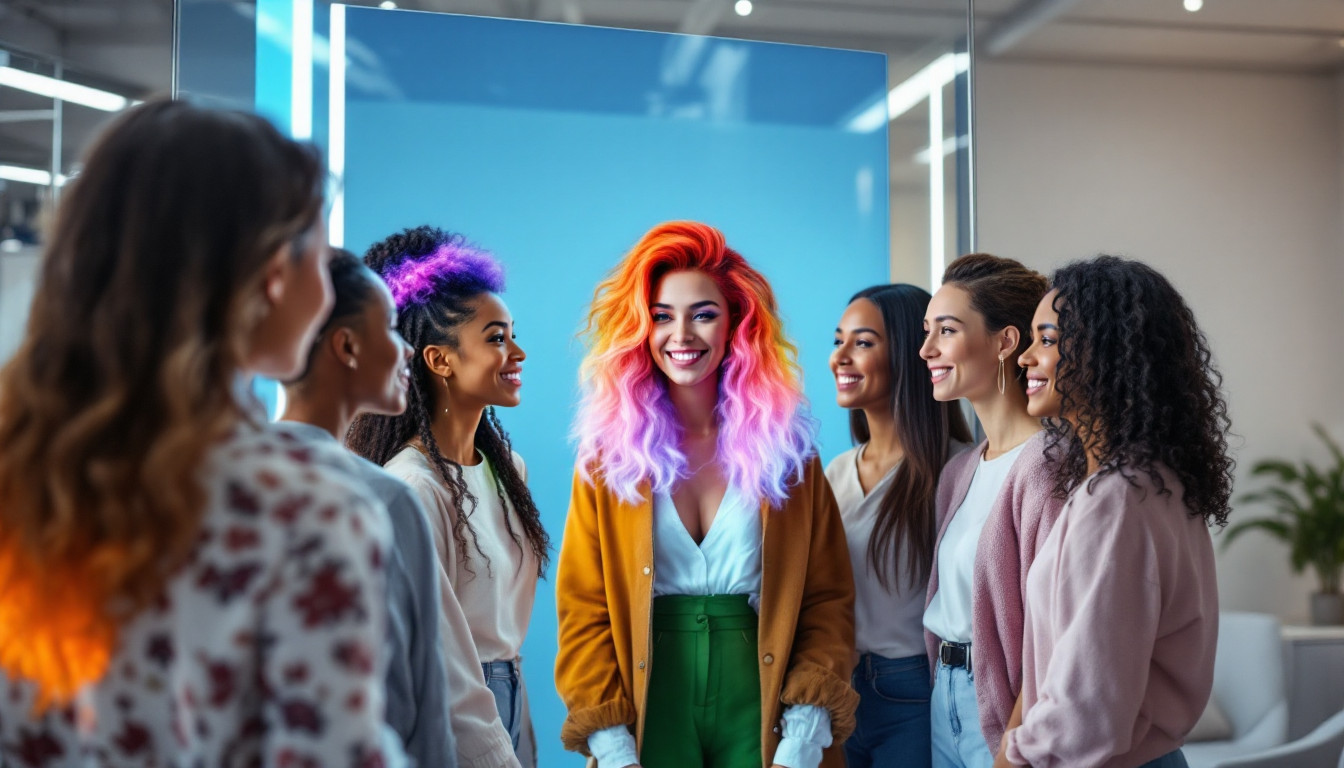
Introduction to AI in Hair Styling
In recent years, artificial intelligence (AI) has moved from niche laboratory applications to everyday tools that enhance how we shop, play, and even style our hair. In the hair and beauty sector, AI-powered solutions are redefining the customer experience, turning guesswork into certainty. For millions of people considering hair extensions—a commitment that involves cost, time, and trust—AI offers a way to “try before you buy,” dramatically reducing anxiety over color, length, and texture. By combining computer vision, machine learning, and augmented reality (AR), AI hair-styling tools enable users to upload a selfie and experiment with dozens of extension styles, lengths, and shades. This transformative technology empowers shoppers to make informed decisions, previewing their look in real time and eliminating the blind spots of traditional online shopping.
The Rise of Virtual Try-Ons
Virtual try-on technology is one of the fastest-growing applications of AI in beauty. L’Oréal alone recorded over 100 million digital try-on sessions in 2023—more than double the 40 million in 2022—spanning makeup and hair color experiments (https://www.pymnts.com/news/retail/2024/loreal-sees-150percent-increase-in-virtual-try-ons-as-consumers-seek-ar-immersion/?utm_source=openai). In the hair industry specifically:
• Virtual hair color try-ons can increase conversion rates by up to 2.5 times and keep users on site 360% longer, as they explore different hues and styles before buying (https://gitnux.org/ai-in-the-hair-industry-statistics/?utm_source=openai).
• Brands implementing virtual hair tools have eliminated roughly 20% of returns for hair extensions and wigs, saving on shipping costs and reducing waste (https://gitnux.org/ai-in-the-hair-industry-statistics/?utm_source=openai).
These figures underscore a clear trend: consumers crave immersive, interactive shopping experiences that let them visualize results, not just view static photos or read product descriptions. As virtual try-on technology matures, it is quickly becoming a standard expectation for digitally savvy shoppers.
Advantages of Visualizing Hair Extensions
-
Boosted Confidence and Faster Decisions
Virtual try-on tools don’t just look cool—they drive measurable business results. In beauty categories overall, conversion rates climb by around 58%, purchase decisions happen 40% faster, and shoppers feel 73% more confident when they see how products look on them before buying (https://instabanana.com/blog/virtual-try-on-statistics-data-driven-insights/?utm_source=openai). For hair extensions, that confidence translates directly into completed purchases rather than abandoned carts. -
Higher Revenue and Larger Orders
Retailers using virtual try-on report 25–30% higher revenues and 18% higher average order values, as customers feel empowered to add accessories or complementary products once they see a comprehensive look (https://instabanana.com/blog/virtual-try-on-statistics-data-driven-insights/?utm_source=openai). A shopper who sees herself with longer, fuller hair may opt for a matching set of clip-in extensions, a smoothing serum, or a styling tool, boosting overall basket size. -
Reduced Returns and Sustainability Gains
Returns are a perennial challenge in e-commerce, but virtual try-on consistently reduces them across industries. Some beauty brands record up to a 64% drop in returns (https://www.perfectcorp.com/business/blog/makeup/ar-beauty-virtual-try-on?utm_source=openai), while fashion retailers see 25–30% fewer returns. Specifically, virtual hair extension tools cut return rates by about 20% (https://gitnux.org/ai-in-the-hair-industry-statistics/?utm_source=openai). This not only saves brands millions in reverse-logistics but also promotes sustainability by reducing packaging waste and carbon emissions.
How AI-Powered Tools Work
At the heart of every virtual try-on solution are advanced algorithms that blend AR overlays with realistic hair physics. The typical workflow involves:
• Image Capture and Face/Hair Mapping: Users upload a selfie or allow their device’s camera to capture their face. Computer-vision models detect facial landmarks—eyes, nose, jawline—and the hairline to create a precise digital mask.
• Hair Segmentation and 3D Modeling: Once the face and existing hair are mapped, AI segments the background and maps a 3D hair geometry onto the user’s head. This geometry adapts to head movements, ensuring the extensions sit naturally.
• Texture and Color Matching: Using a library of high-resolution hair textures and color profiles, the AI engine overlays the chosen extension style, blending it seamlessly with the user’s original hair color and lighting conditions.
• Real-Time Rendering and Adjustment: Modern smartphones and web browsers can render these AR models in real time, letting users swap styles, adjust lengths, and fine-tune placement with a swipe or click.
Leading providers like Perfect Corp have exposed these capabilities via AI APIs for virtual hairstyles and wigs, enabling brands to integrate photorealistic try-on directly into their websites and apps (https://en.wikipedia.org/wiki/Perfect_Corp?utm_source=openai). Solutions from GlamAI (https://en.wikipedia.org/wiki/GlamAI?utm_source=openai) and SpreeAI (https://en.wikipedia.org/wiki/SpreeAI?utm_source=openai) offer similar tools tuned for fashion and beauty.
At the consumer end, platforms such as GetHairVision harness these technologies to let users experiment with dozens of extension options. By uploading a quick selfie, shoppers can switch between clip-ins, tape-ins, or micro-link extensions; test different colors from platinum to chocolate brown; and see how length changes their overall facial balance—all before placing an order.
Case Studies: Successful Hair Transformations
Case Study 1: Boutique Extension Brand
A mid-sized hair extension retailer integrated an AI virtual try-on widget powered by Perfect Corp’s API into its e-commerce site. In the first quarter after launch, the brand saw a 48% increase in session duration and a 30% lift in conversion rate for extension products. Return rates for extensions dropped by 22%, saving the company over $75,000 in reverse shipping costs.
Case Study 2: Online Wig Retailer
Wifitalents.com reports that 45% of online wig shoppers now use AI-powered try-on tools before purchase, and of those users, 82% say they feel significantly more confident in their buying decision (https://wifitalents.com/ai-in-the-wig-industry-statistics/?utm_source=openai). By showcasing before-and-after virtual images on product pages, the retailer reduced customer support queries by 40% and achieved a 25% uptick in average order value.
Case Study 3: Salon Virtual Consultations
A high-end salon chain equipped its styling stations with AR mirrors. Clients could explore extension options on the spot, previewing length and color under salon lighting. As a result, upsell revenue from extension services increased 35%, and no-show rates for booked extension appointments fell by 15%, since clients arrived with a clear vision of their desired outcome.
Future Trends in AI-Driven Hair Extensions
As AI continues to evolve, several innovations are poised to further reshape how we explore hair extensions:
• Real-Time Video Try-Ons: Next generation tools will allow customers to see extensions applied live in video calls, enabling remote stylists to recommend products more effectively.
• AI-Generated Style Suggestions: Beyond static try-ons, generative AI will analyze facial features and recommend extension types, colors, and placements uniquely suited to each user.
• Virtual Wardrobes and Subscriptions: Imagine a digital “hair closet” where users can store favorite styles and swap extensions virtually on demand. Subscription models may let customers trial new looks monthly before receiving physical kits.
• Enhanced Personalization with Data: By combining try-on data with purchase history and social trends, brands can offer hyper-targeted extension bundles, increasing both customer satisfaction and loyalty.
• Sustainability Dashboards: Integrated tools will track the carbon footprint saved through reduced returns and packaging, letting brands showcase real-time environmental benefits to eco-conscious shoppers.
By 2025, an estimated 76% of online shoppers will expect virtual try-on offerings, with adoption rates highest among Gen Z (88%) and Millennials (82%) (https://instabanana.com/blog/virtual-try-on-statistics-data-driven-insights/?utm_source=openai). For hair extension brands, staying ahead means embedding AI experiences that delight customers, drive revenue, and reduce waste.
Conclusion: Making Informed Hair Extension Choices
The art of hair extensions has always required a leap of faith: trusting a photo to represent how you’ll look in real life. AI-powered virtual try-on technology transforms that leap into a measured step. By visualizing length, volume, and color on your own face, you can confidently select the perfect extensions before you buy. Retailers benefit from higher conversion rates, lower returns, and elevated customer satisfaction, while consumers enjoy personalized, immersive experiences that put creativity in their hands. As leading providers like Perfect Corp, GlamAI, and GetHairVision continue to innovate, the future of hair extensions will be defined by seamless digital-to-physical journeys—ensuring that every user can explore, experiment, and commit with confidence.