Styling for Success: How AI Can Boost Your Professional Appearance
-
Introduction to AI in Professional Styling
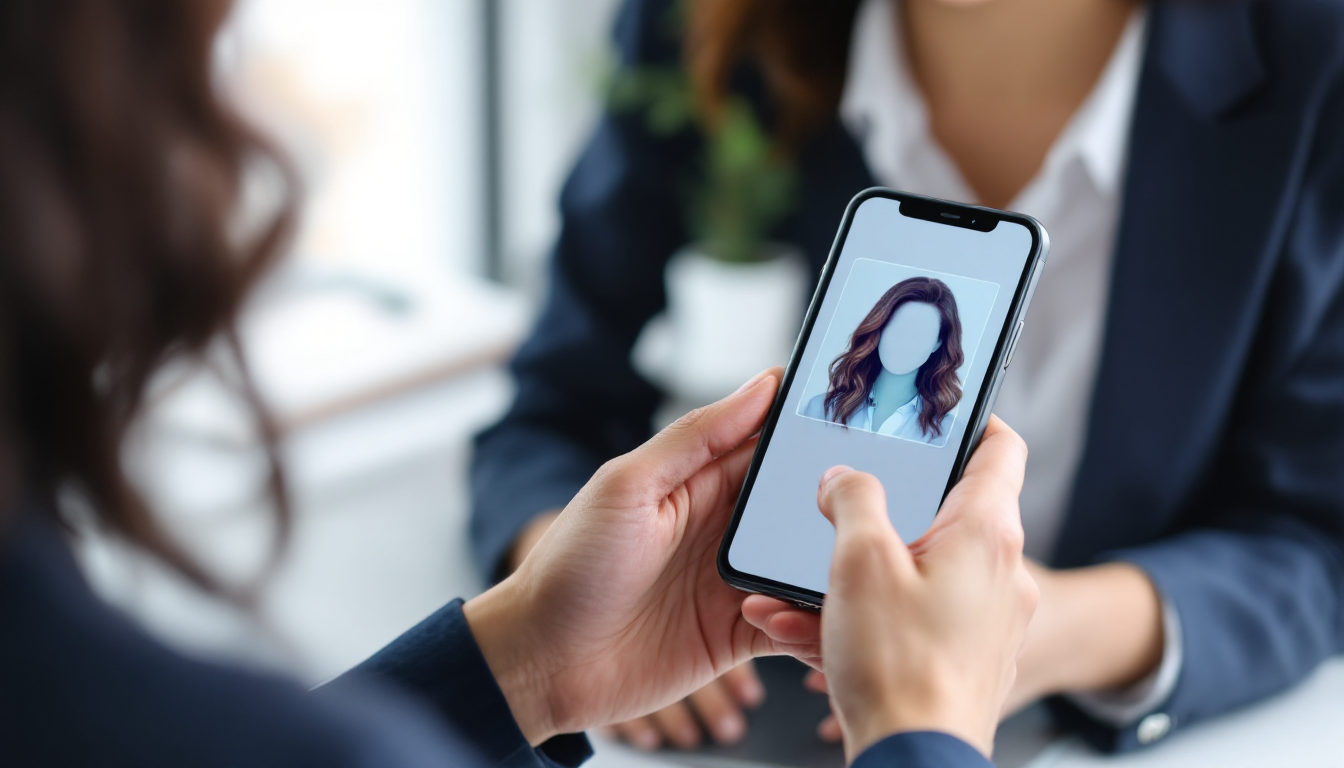
In today’s hyper-competitive job market and fast-paced corporate world, first impressions matter more than ever. A polished, professional appearance not only conveys competence and credibility but also bolsters personal confidence. Yet finding the ideal hairstyle—one that complements your facial structure, skin tone, and professional role—can feel like a guessing game. Enter AI-powered hairstyling tools: by leveraging computer vision and generative algorithms, these apps let you virtually “try on” dozens of cuts, colors, and styles in seconds. No more last-minute salon panic or buyer’s remorse—just data-driven recommendations tailored to your unique features and career goals. -
Why Appearance Matters in Professional Settings
Research in social psychology consistently shows that people form judgments about competence, trustworthiness, and leadership potential within seven seconds of meeting someone. A well-groomed hairstyle signals attention to detail and self-respect; it frames the face, highlights your eyes, and reinforces professional branding. Whether you’re interviewing for your dream role, pitching to C-suite executives, or networking at an industry event, your hairstyle is part of your nonverbal résumé. Investing in a style that aligns with your industry norms—think sleek bobs for corporate finance or polished updos for legal counsel—can tip the scales in your favor before you even utter your first word. -
How AI Recommends the Perfect Professional Hairstyles
Modern AI hairstyling platforms combine facial-landmark detection, skin-tone analysis, hair-texture profiling, and even lifestyle questionnaires to suggest styles scientifically suited to you:
• Xole AI Hairstyle Changer analyzes your facial geometry and skin undertones to recommend cuts and colors that best harmonize with your features. Its “Realistic Preview” engine superimposes 3D-mapped hairstyles onto your selfie, letting you assess different looks under variable lighting (xole.ai).
• HairstyleAI offers over 150 stylized photos across 30 unique cuts—from classic pixie to modern lob—so you can compare professional versus bold looks side by side. Users report a significant confidence boost going into interviews after virtually experimenting with trims and tints (aitoolsexplorer.com).
• HairHunt (by TheRightHairstyles) maps more than 100 options—bobs, updos, layers—to your uploaded photo, along with a palette of nine salon-quality colors ranging from ash blonde to aubergine. Its intuitive interface is ideal for busy executives who need quick yet sophisticated styling decisions (therighthairstyles.com).
• Pippit’s “What Hair Style Suits Me AI” factors in your hair texture and daily routine to avoid recommending high-maintenance cuts for professionals on the go. You receive a curated shortlist of low-fuss, boardroom-ready styles you can preview instantly (pippit.ai). -
Success Stories: Users Who Nailed Their Interview Look
Real-world testimonials underscore AI’s transformative impact:
• “I was torn between a sleek bob and a soft wave for my marketing director interview,” says Priya S., New York. “Xole’s facial analysis confirmed that the bob would accentuate my jawline. I felt more confident—two days later, I had the job offer.”
• After uploading her headshot to HairstyleAI, financial analyst Marcus L. discovered that a subtle side part and light layering projected both approachability and authority. “My interviewer even complimented my ‘professional cut’—all thanks to AI,” he recalls.
• Legal associate Jenna M. used HairHunt to trial an elegant updo for a high-stakes deposition. “Seeing myself in the style beforehand eliminated salon nerves. I arrived calm, collected, and exactly as polished as I’d envisioned.” -
Tips for Using AI Hairstyling Apps Effectively
To maximize your AI styling experience: -
Use high-quality, front-facing selfies in natural light—avoid hats or glasses that obscure your hairline.
-
Experiment across multiple platforms. An audit by TheRightHairstyles.com found that of 18 AI apps tested in early 2026, only 8 delivered accurate, realistic previews, so cross-comparison helps you identify the most reliable tools (therighthairstyles.com).
-
Consider maintenance and workplace culture. If you travel frequently, choose low-maintenance cuts suggested by Microsoft 365’s Everyday AI, which factors in climate and routine (microsoft.com).
-
Leverage privacy-focused solutions like Devpost’s AI Hairstyle Advisor, which processes images locally in your browser—ideal for executives wary of uploading personal data to the cloud (devpost.com).
-
The Future of AI in Professional Grooming
The next frontier in AI styling lies in ultra-realistic 3D hair modeling and scenario-based simulations:
• Neural Strands and NeuralHDHair are academic breakthroughs that reconstruct high-fidelity, multi-view hair geometry from a single image, promising truly photorealistic virtual try-ons (arxiv.org).
• Artisse AI goes beyond hair, using generative models to create head-to-toe professional looks—outfits, backgrounds, and hairstyles—so you can preview your entire image for corporate headshots or speaking engagements (en.wikipedia.org).
As these technologies mature, professionals will be able to audition complete branding packages—hair, makeup, wardrobe, even office décor—before committing a single dollar. -
Conclusion: Embracing AI for Career Advancement
In an era where digital transformation touches every aspect of work life, leveraging AI for your grooming and styling decisions isn’t a luxury—it’s a strategic advantage. By harnessing data-driven insights into facial geometry, personal style, and workplace expectations, you can curate a signature look that amplifies your credibility and confidence. Whether you’re stepping into a job interview, leading a boardroom presentation, or attending a global summit, AI hairstyling tools put professional polish at your fingertips. Embrace the technology, experiment boldly, and let your best self make the strongest first impression.