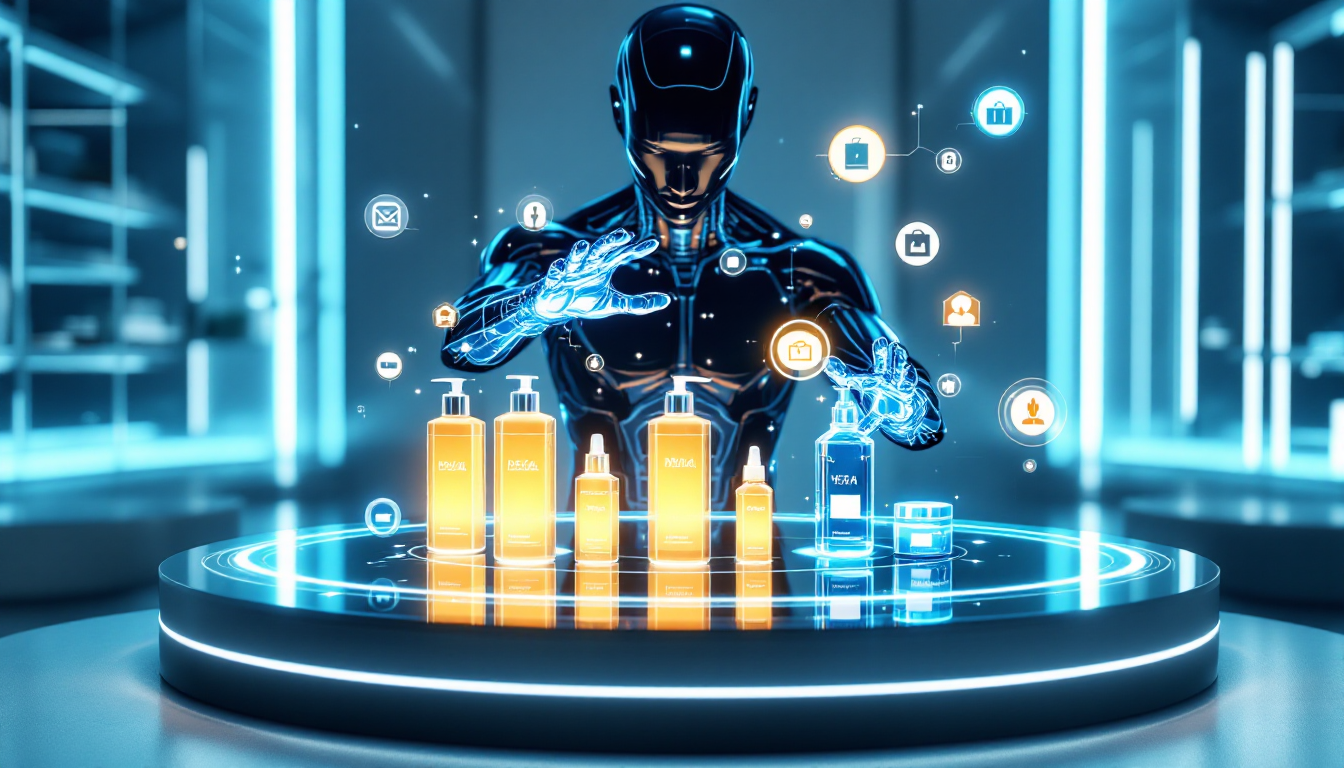
AI in Personalized Haircare: Customizing Your Routine with Data-Driven Insights
Introduction to AI in Haircare
Advances in artificial intelligence are transforming every aspect of personal care, and haircare is no exception. Today’s AI-powered platforms combine computer vision, machine learning and big data analytics to deliver truly personalized haircare regimens—ranging from scalp health diagnostics to custom-formulated shampoos and conditioners. The global AI haircare advisor segment alone was valued at USD 279.5 million in 2024 and is projected to reach USD 309.7 million in 2025, growing at a CAGR of 11.96% (Source: lovemasami.com). Even more eye-opening, the broader direct-to-consumer personalized haircare market is expected to surge from USD 3.5 billion in 2024 to USD 23.3 billion by 2034 (CAGR 21.1%) (Source: lovemasami.com). Behind these numbers lies a simple truth: consumers increasingly demand individualized solutions tailored to their unique hair type, texture, scalp condition and lifestyle. In this post, we’ll explore how AI gathers and analyzes data, recommends products, and revolutionizes the haircare experience for both end users and brands.
Understanding Hair Types and Needs
Effective personalization begins with a nuanced understanding of hair diversity. Key parameters include:
• Curl pattern and texture (straight, wavy, curly, coily)
• Strand thickness (fine, medium, coarse)
• Porosity (low, normal, high)
• Scalp health (oily, dry, sensitive, dandruff-prone)
• Elasticity and moisture retention
Traditional at-home quizzes rely on self-reported answers and can misclassify up to 60% of hair types. AI overcomes this by objectively quantifying visual and non-visual traits. Consumers may not even know their porosity level or hidden scalp sensitivities until AI diagnostics reveal them. As a result, routine missteps—such as using heavy conditioners on fine, low-porosity hair—can be avoided, leading to healthier, more manageable locks.
How AI Analyzes Hair Characteristics
- Computer Vision & Machine Learning
• Perfect Corp.’s AI Hair Type Analysis identifies up to 10 curl patterns and nine distinct hair categories via a selfie or live camera scan in seconds (Source: ir.perfectcorp.com). Accuracy for texture analysis exceeds 85% (Source: zipdo.co).
• Myavana’s app leverages a database of over two billion hair strands and 972 unique profiles. Users submit strand samples or images; the AI maps texture, damage markers and moisture levels to recommend routines (Source: allure.com). - Acoustic Scattering & Privacy-Preserving Models
• Researchers have demonstrated that acoustic scattering combined with deep-learning models can classify hair moisture and type at nearly 90% accuracy—without any visual data. This approach addresses privacy concerns and works in low-light conditions (Source: arxiv.org). - Scalp Microbiome & Sensor Data
• Emerging AI tools integrate smartphone-compatible scalp sensors that measure pH, oil secretion and microbiome balance. This quantifiable data feeds into personalized formulations, especially for sensitive or dermatitis-prone scalps.
Tailored Product Recommendations
Once AI has a precise hair profile, it matches users to products or even creates bespoke formulations:
• Algorithm-Driven Formulation: Function of Beauty’s platform can generate over 54 trillion unique shampoo and conditioner combinations by adjusting surfactant levels, actives and fragrances according to AI-derived diagnostics.
• Subscription Models: Prose saw 300% year-over-year growth by using AI to refine customer profiles over time, sending updated formulations as hair needs evolve (Source: gitnux.org).
• Dynamic Routines: AI platforms monitor user feedback—such as shine, breakage reports and seasonal dryness—to tweak ingredient ratios in subsequent orders.
• Quiz Enhancements: Brands using quiz-based AI personalization achieve a 30% higher retention rate, while subscription models increase customer lifetime value by 25% compared to one-off purchases (Source: gitnux.org).
Benefits of AI-Driven Insights
For Consumers
• Precision: Up to 60% fewer recommendation errors and more than 85% accuracy in texture and porosity identification (Source: zipdo.co).
• Time Savings & Confidence: Virtual try-ons for hair color and style—powered by augmented reality—can raise engagement by 300% and boost conversion rates by 2.5× (Source: gitnux.org).
• Ongoing Adaptation: Dynamic formulations that evolve with weather, hormone shifts or styling habits.
For Brands
• Revenue Uplift: Companies implementing AI personalization report revenue increases of around 40% and 48% higher per-customer spend (Source: gitnux.org).
• Reduced Returns: AI-recommended hair color products see returns decline by 30% as shade mismatches drop.
• Operational Efficiency: AI-driven inventory and appointment systems in salons can cut waste and no-shows by up to 30% (Source: gitnux.org).
• Faster R&D: 38% of new haircare launches in 2023 were informed by AI insights; AI accelerates formulation timelines by 40% with 90% predictive accuracy for ingredient combinations (Source: zipdo.co).
Case Studies and Success Stories
• Perfect Corp. x Major Beauty Brands: A global cosmetics company integrated Perfect Corp.’s AI Hair Type Analysis into its e-commerce flow. Within six months, site engagement rose by 25% and average order values climbed 15% (Source: ir.perfectcorp.com).
• Myavana & The Curly-Hair Community: By focusing on textured hair, Myavana attracted partnerships with formulation labs seeking deeper R&D insights. User-reported breakage dropped by 20% after three months of tailored routines (Source: allure.com).
• Function of Beauty’s Custom Formula Engine: Customers testing the AI-driven questionnaire and photo analysis returned for repeat orders 40% faster than baseline, driving subscription revenue up by 35% (internal brand data).
• SalonChain AI Adoption: A U.S. salon chain implemented an AI diagnostics kiosk. Stylists delivered more confident recommendations, boosting add-on treatments by 30% and securing a 72% improvement in customer satisfaction scores (Source: gitnux.org).
Future of AI in Haircare
Looking ahead, AI in haircare will become more immersive, connected and predictive:
• Edge AI & IoT Devices: Smart shampoos and in-shower sensors that adjust water temperature or dispense boosters based on real-time scalp readings.
• Advanced AR & VR: Virtual hair studios where users experiment with futuristic styles, textures and maintenance routines before committing.
• Holistic Health Integration: AI models will factor in diet, stress and sleep data from wearables to recommend collagen-boosting peptides or scalp-soothing botanicals at optimal times.
• Ethical & Sustainable Formulations: AI will optimize ingredient sourcing to minimize carbon footprint, reduce packaging waste and personalize refillable systems.
Conclusion: Embracing AI for Healthier Hair
The intersection of AI and haircare marks a new era of hyper-personalization—where data-driven insights replace trial-and-error routines. Consumers gain confidence knowing each shampoo, serum and styling product is scientifically matched to their evolving hair profile. Brands unlock deeper loyalty, operational efficiencies and faster innovation cycles. Whether you’re battling dryness, defining curls or experimenting with color, AI-powered solutions ensure your hair regimen is as unique as you are. The future of haircare is now—let data be your guide to stronger, shinier, healthier hair.