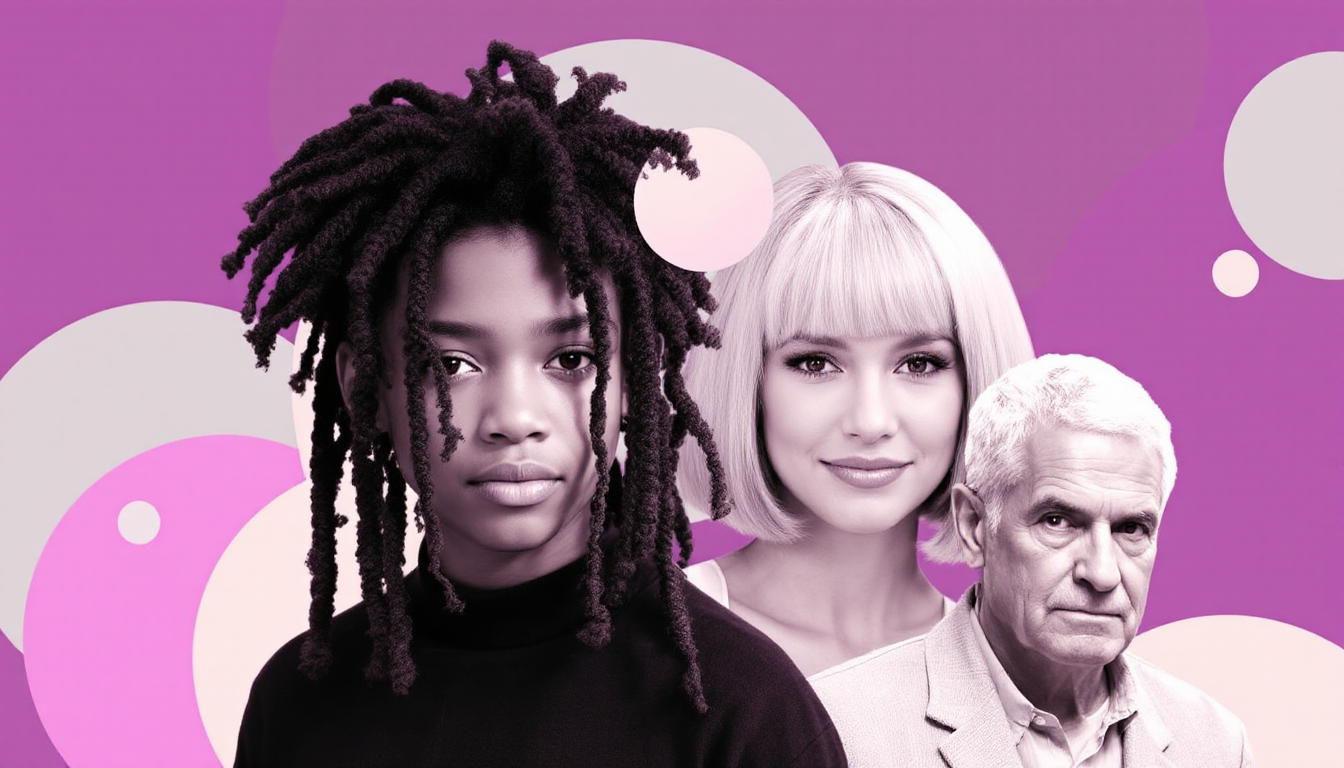
Introduction: The Role of AI in Hairstyling
––––––––––––––––––––––––––––––––––––––––
The hairstyling industry has always balanced artistry with client needs: texture, face shape, lifestyle. Today, artificial intelligence (AI) is elevating that balance, transforming every salon consultation into a personalized, data-driven experience. By combining facial recognition, hair segmentation and styling logic, modern “hybrid AI” systems detect your face shape, scalp condition and curl pattern, then synthesize those insights with professional stylist rules to recommend the perfect cut, color and tools (xray.greyb.com).
Major beauty-tech innovators are already empowering consumers and salons alike:
• Perfect Corp’s AI Hair Type Analysis quickly classifies hair texture, thickness and curl category (from straight to 4C) for hyper-targeted product and style advice (perfectcorp.com).
• Revieve’s “AI Hair Care Advisor” and “AI Hair Color Artist” evaluate hair and skin tone, then let you preview color changes in real time—no more guesswork before that bold hue (en.wikipedia.org).
• GHD’s CurlFinder mimics the salon consult: answer a few simple questions and receive the ideal curling iron, heat setting and spray recommendations, all via an intuitive mobile interface (voguebusiness.com).
In-salon AI platforms are delivering quantifiable business benefits—42% shorter consultations and up to 89% client satisfaction—while online tools make professional guidance available on demand (smallbusinessweb.co). As AI continues to learn from each click, swipe and upload, it’s poised to redefine how every generation discovers, customizes and owns their signature look.
Teen Hairstyles: Trends and AI-Driven Suggestions
––––––––––––––––––––––––––––––––––––––––
Gen Z lives and breathes in the world of instant trends—TikTok is their runway and color-changing filters their inspiration. AI styling tools cater to these digitally native teens by:
• Real-time virtual try-ons. Upload a selfie and watch new cuts, bold balayages or bubble braids come to life immediately. Revieve’s color-artist tech makes experimenting with pastel pink or neon green as easy as a swipe (en.wikipedia.org).
• Trend-pulse analytics. AI scrapes TikTok, Instagram and Pinterest for viral styles—whether it’s Y2K curtain bangs, the “wolf cut” or the classic e-girl swoop—and suggests looks tailored to your face shape and hair type.
• Tool and product pairing. Teenagers often lack styling confidence; GHD’s CurlFinder logic, for instance, prescribes the right iron size, temperature and finishing spray for your desired curl type (voguebusiness.com).
Crucially, research shows Gen Z’s AI preferences hinge on novelty and perceived usefulness: they want cutting-edge features (augmented reality filters, gamified interfaces) alongside clear value (saving time, avoiding salon mishaps). By blending playful experimentation with precision recommendations, AI empowers teens to own—and evolve—their personal style.
Young Adults: Navigating Style with AI
––––––––––––––––––––––––––––––––––––––––
As young adults juggle university life, early careers and social calendars, they crave versatility: a look that transitions seamlessly from lecture halls to after-work drinks. AI steps in as a style coach, offering:
• Face-shape-driven cuts. Hybrid AI engines detect jawlines and forehead proportions to recommend cuts that slim, soften or accentuate features—think textured lobs, side-swept fringes or choppy pixies (xray.greyb.com).
• Professional vs. playful color. Tools like Revieve’s real-time color preview let you test subtle balayages or peek a teal underlayer before committing to a full dye job (en.wikipedia.org).
• Streamlined salon experiences. In-salon AI slashes consultation times by 42%, leaving more room for styling and less for back-and-forth. And with product and tool recommendations baked into the process, you leave with a clear at-home routine (smallbusinessweb.co).
Young adults also value ease of use and experiential satisfaction—factors that AI interfaces can optimize with clean UX, intuitive navigation and quick, reliable results. The outcome: a personalized roadmap for style evolution that adapts as careers advance and tastes mature.
Middle Age: Adapting Classic and Modern Styles
––––––––––––––––––––––––––––––––––––––––
For Gen X and early Boomers, style is about balance: honoring classic silhouettes while subtly integrating contemporary flair. AI caters to these nuanced needs:
• Texture and volume tuning. Perfect Corp’s hair analysis distinguishes fine, medium and coarse strands, then suggests volumizing cuts or smoothing treatments to align with individual hair physics (perfectcorp.com).
• Gray blending and color forecasting. Revieve’s AI Hair Color Artist can simulate root–to–tip gray coverage or low-maintenance highlights, helping clients preview how incremental color adjustments will look over time (en.wikipedia.org).
• Simplified decision support. Even without severe cognitive decline, middle-aged users benefit from generative AI that reduces choice overload. A recent study found GPT-4-based recommendations significantly lower decision difficulty for older adults—and these gains extend to anyone juggling busy lives (arxiv.org).
By tailoring UI emphasis—clear prompts, guided workflows and context-aware tooltips—AI platforms ensure that middle-aged clients feel both confident and creative, whether they’re refreshing a fall classic bob or experimenting with a modern, face-framing color melt.
Seniors: Embracing Elegance and Comfort
––––––––––––––––––––––––––––––––––––––––
Seniors often prioritize low-maintenance elegance, scalp health and comfortable styling routines. AI addresses these priorities through:
• Cognitive-friendly guidance. Generative AI recommendation systems reduce decision difficulty substantially for older users, compensating for age-related cognitive constraints and ensuring they can choose styles that align with personal preferences without overwhelm (arxiv.org).
• Accessibility-first interfaces. With larger text, clear icons and simple step-by-step flowcharts, apps like GHD’s CurlFinder guide seniors through tool selection, temperature settings and finishing products in a non-intimidating way (voguebusiness.com).
• Comfort-centered style suggestions. AI can recommend gentler texturizing methods (air-dry cuts, soft layering) that minimize heat damage and styling time—ideal for sensitive scalps and arthritic hands. Color advisors factor in thinning hair and natural gray patterns to propose flattering, easy-upkeep hues.
• Higher satisfaction and efficiency. Salons report up to 89% client satisfaction among seniors using AI styling tools, thanks to faster consultations and crystal-clear recommendations (smallbusinessweb.co).
By blending technical precision with a human-centered UX, AI empowers seniors to maintain their signature elegance while enjoying the confidence that comes from a well-informed styling plan.
Conclusion: AI’s Impact on Personalized Hairstyling
––––––––––––––––––––––––––––––––––––––––
From TikTok-inspired teen transformations to seniors seeking stress-free elegance, AI hairstyling tools are rewriting the rules of personal grooming. They harness facial recognition, hair-type analysis and generative recommendation engines to:
• Streamline decision-making, reducing choice difficulty even as hair trends proliferate.
• Accelerate in-salon consultations by up to 42%, boosting stylist capacity and client satisfaction.
• Deliver hyper-personalized cut, color and product suggestions across all generations—Gen Z to Boomers.
• Adapt UI and UX emphases to generational preferences, ensuring intuitive experiences for both tech-savvy youth and seniors valuing clarity.
As AI continues to evolve—integrating AR/VR try-ons, sustainability metrics and predictive styling trends—it promises to deepen the bond between hairstylist and client, making every cut, curl and color a precisely tailored reflection of individual taste, age and lifestyle. The future of hair is not just in the hands of the stylist but in the algorithms that learn and grow with us, one strand at a time.