AI-Driven Haircut Consultations: What Your Stylist Wishes You Knew
Introduction to AI in Haircut Consultations
In an industry built on creativity, intuition and personal connection, hairstylists have long relied on face-to-face consultations, hand-drawn sketches and verbal cues to interpret a client’s vision. Yet even the most experienced professional can struggle with miscommunication: a client’s “just a trim” becomes an unexpected chop; “a little layering” turns into a dramatically feathered cut. Enter artificial intelligence. Over the past few years, AI-powered tools have begun transforming the salon experience by analyzing photos and preferences to suggest precise, personalized hairstyle options. These tools promise to bridge the communication gap, boosting confidence for clients and streamlining consultations for stylists. In this article we’ll explore the state of AI-driven haircut consultations, examine how they address common challenges, review real-world applications, and look ahead to the future of this game-changing technology.
Current Challenges in Client-Stylist Communication
Clients and stylists both face barriers to a smooth consultation. Common pain points include:
• Vague Visual References: Clients often bring inspiration photos—sometimes AI-enhanced or filtered—that don’t match their hair texture, face shape or lifestyle. Stylists must then reverse-engineer an idealized look.
• Subjective Descriptions: Terms like “long layers,” “face-framing” or “soft bangs” can mean different things to different people. Without a shared visual language, expectations easily diverge.
• Anxiety and Uncertainty: Trying a drastic change carries emotional weight. Clients fearful of ending up with an unflattering cut may second-guess their stylist’s recommendations.
• Time Constraints: A busy salon schedule leaves little room for back-and-forth sketches or lengthy discussions. Stylists need to make informed decisions quickly.
These challenges can lead to dissatisfaction, lost revenue and strained client-stylist relationships. According to a Washington Post report, stylists are increasingly frustrated by clients showing them AI-generated “inspo” images that are unrealistic, creating an even wider gap between expectation and achievable outcome (https://www.washingtonpost.com/technology/2025/02/23/ai-hair-inspo-wedding-stylists-businesses/?utm_source=openai).
How AI Enhances the Consultation Process
AI-driven consultation platforms use computer vision, machine learning and large hairstyle databases to offer objective, data-backed recommendations. Key capabilities include:
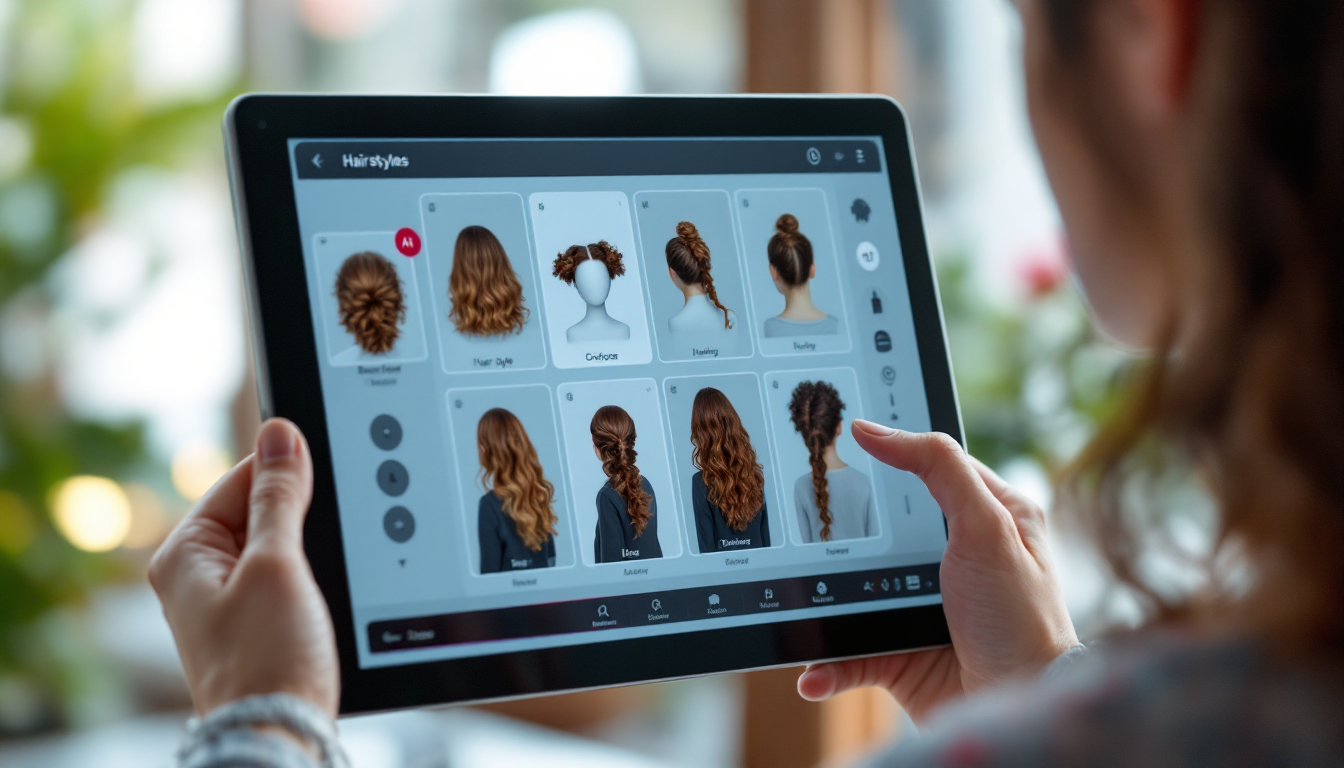
• Virtual Try-On: Clients upload a selfie and experiment with dozens of cuts, colors and styles in real time. Studies show 58% of consumers are more likely to purchase a product if they can try it virtually first (https://gitnux.org/ai-in-the-hair-salon-industry-statistics/?utm_source=openai), and virtual hair consultations saw a 150% increase in user engagement in 2023 (https://zipdo.co/ai-in-the-hair-care-industry-statistics/?utm_source=openai).
• Face-Shape Analysis: Advanced AI models detect face shape—oval, round, square, heart—to suggest cuts that highlight natural features. Google’s Gemini AI, for example, can analyze a selfie and recommend personalized haircuts along with styling and maintenance tips (https://www.tomsguide.com/ai/google-gemini/i-used-gemini-to-find-the-best-haircut-for-my-face-shape-heres-how-you-can-too?utm_source=openai).
• Hair Health Diagnostics: By assessing strand durability, porosity and scalp condition, AI tools achieve over 90% accuracy in hair health analysis (https://gitnux.org/ai-in-the-hair-salon-industry-statistics/?utm_source=openai), enabling truly bespoke recommendations.
• Objective Comparison: AI models compare before-and-after simulations side by side, reducing reliance on subjective verbal descriptions and ensuring client and stylist share a clear visual reference.
Real-World Applications and Case Studies
• GetHairVision: This platform lets users visualize potential haircuts on their own photos to reduce anxiety and uncertainty. Clients choose from a wide range of styles; stylists receive detailed visual guides before the appointment.
• GHD CurlFinder: Launched by the styling brand GHD, this AI-driven tool matches hair type, curl pattern and styling preferences with recommended tools, replicating an in-salon consultation experience digitally (https://www.vogue.com/article/ghd-ramps-up-the-hair-tool-race-with-ai-rollout?utm_source=openai).
• Salon Chains: Several national salon groups report a 72% increase in customer satisfaction after integrating AI consultation tools (https://zipdo.co/ai-in-the-hair-care-industry-statistics/?utm_source=openai), and a 22% boost in client retention thanks to more accurate, personalized service (https://zipdo.co/ai-in-the-beauty-industry-statistics/?utm_source=openai).
• Independent Stylists: Freelance professionals using digital consultation apps have seen a 12% rise in average ticket size, as clients opt for premium services aligned with AI-recommended looks (https://gitnux.org/ai-in-the-hair-industry-statistics/?utm_source=openai). AI-powered booking and reminder software also cuts no-shows by 25%, optimizing schedules and revenue (https://gitnux.org/ai-in-the-hair-industry-statistics/?utm_source=openai).
Benefits for Clients: Personalized Recommendations
Clients stand to gain in several ways:
• Confidence Through Visualization: Seeing a realistic preview of a new style builds trust in the decision, reducing pre-cut anxiety.
• Objective Guidance: 52% of clients feel AI-powered consultations provide a more objective assessment than human-only ones (https://gitnux.org/ai-in-the-hair-salon-industry-statistics/?utm_source=openai), cutting through subjective biases.
• Tailored Solutions: AI accounts for face shape, hair texture, lifestyle and maintenance willingness, ensuring the final cut is as functional as it is flattering.
• Engagement and Education: Interactive tools teach clients about face-shapes, maintenance routines and product choices, fostering informed discussions with their stylist.
Advantages for Stylists: Improved Precision and Understanding
For professionals, AI integration offers distinct operational benefits:
• Streamlined Consultations: Automated analysis of client photos and preferences slashes in-chair consultation time, letting stylists focus on execution rather than guesswork.
• Reduced Miscommunication: Shared AI-generated visuals create a single source of truth, minimizing surprises at the wash basin.
• Upselling Opportunities: Data-driven insights on products and styles support stylists in recommending premium services tailored to each client’s hair health and goals.
• Schedule Optimization: AI booking systems that predict appointment length based on chosen services reduce downtime and last-minute cancellations.
Potential Drawbacks and Limitations
While AI offers powerful advantages, professionals should be mindful of pitfalls:
• Unrealistic Expectations: AI-enhanced images can depict idealized, airbrushed versions of clients (Washington Post), making it hard to replicate in real life. Stylists must calibrate expectations and explain technical limitations.
• Overreliance on Technology: Blind faith in automated suggestions can undermine a stylist’s creative judgment and problem-solving skills. AI should augment—not replace—the professional’s expertise.
• Data Privacy Concerns: Uploading personal photos raises questions about image storage, consent and data security. Salons must adopt transparent privacy policies.
• Accessibility and Cost: High-end AI platforms may carry subscription fees or hardware requirements that are prohibitive for small, independent salons.
Future of AI-Driven Haircut Consultations
The next wave of innovation will likely include:
• Real-Time In-Mirror AR Try-Ons: Augmented-reality mirrors in salons that overlay styles instantly as clients sit in the chair.
• Predictive Style Longevity: AI models that forecast how a cut will evolve over weeks—accounting for growth patterns, styling habits and product use.
• Integrated E-Commerce: One-click ordering of recommended styling tools, treatments and maintenance products directly from the consultation interface.
• Collaborative AI-Stylist Networks: Shared learning platforms where stylists contribute anonymized client data to train more nuanced AI models, improving recommendations across the industry.
Conclusion and Call to Action
AI-driven haircut consultations mark a new frontier in beauty services, empowering clients with confidence and equipping stylists with precision tools. By embracing these technologies—and tempering them with professional insight—salons can deliver highly personalized, efficient and satisfying experiences. If you’re a stylist curious about integrating AI into your practice, start by piloting a virtual try-on tool and gathering client feedback. For clients eager to explore new looks, ask your salon if they offer AI consultations or try a reputable app before booking your next appointment. Together, AI and human expertise can close the gap between vision and reality—one perfect cut at a time.